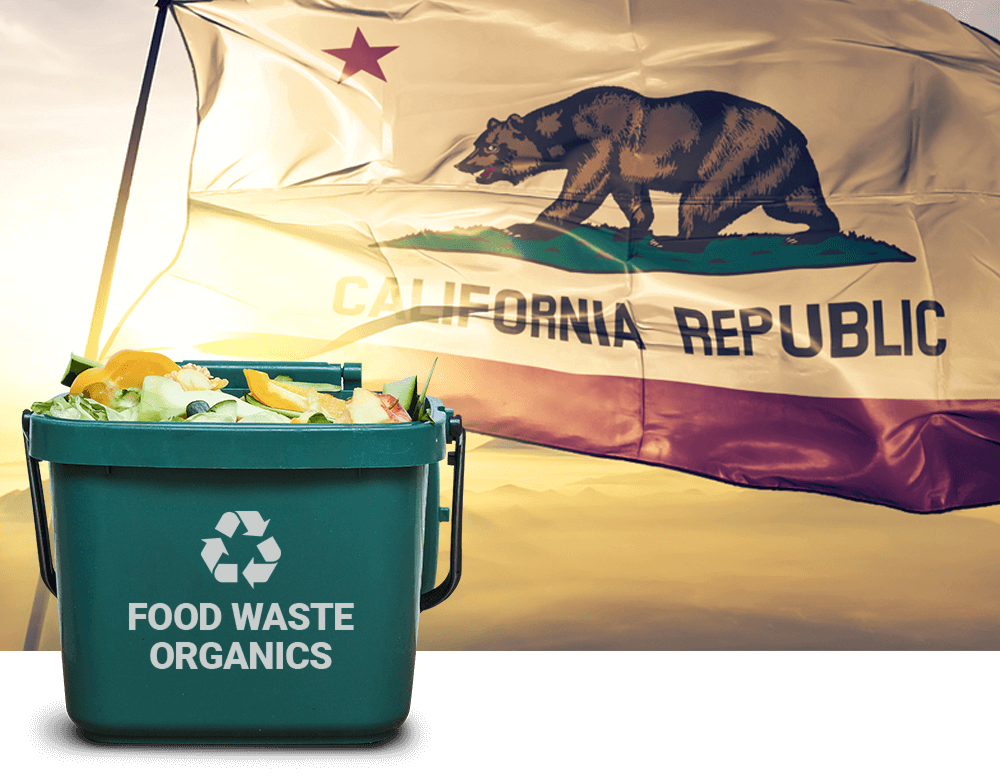
SB1383 Mandatory Compost Recycling
Composting Is The Law
California’s SB 1383 requires all residents and businesses to separate food scraps and yard waste into a green compost cart. These statewide regulations aim to reduce landfill waste and cut harmful emissions.
These rules come from the State of California—not Sonoma Garbage Collectors—and local jurisdictions are required to enforce them. Non-compliance may result in fines, and in some cases, the suspension or denial of permits, licenses, or registrations.
Following the composting guidelines helps protect our environment and keeps Sonoma Valley in compliance with state law.
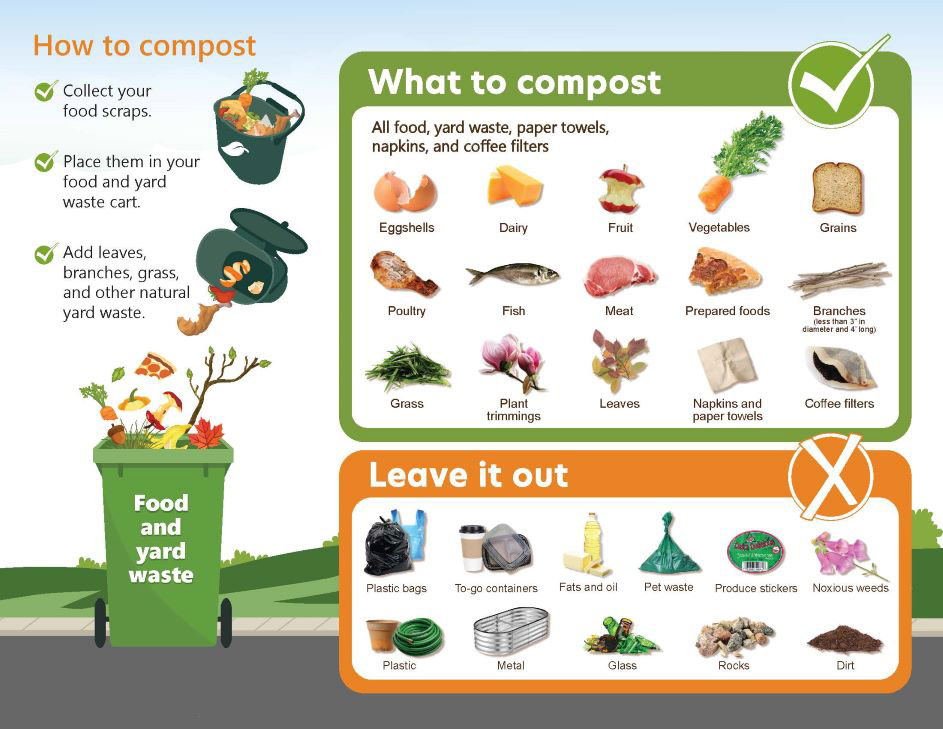
What's Allowed In the Compost Cart?
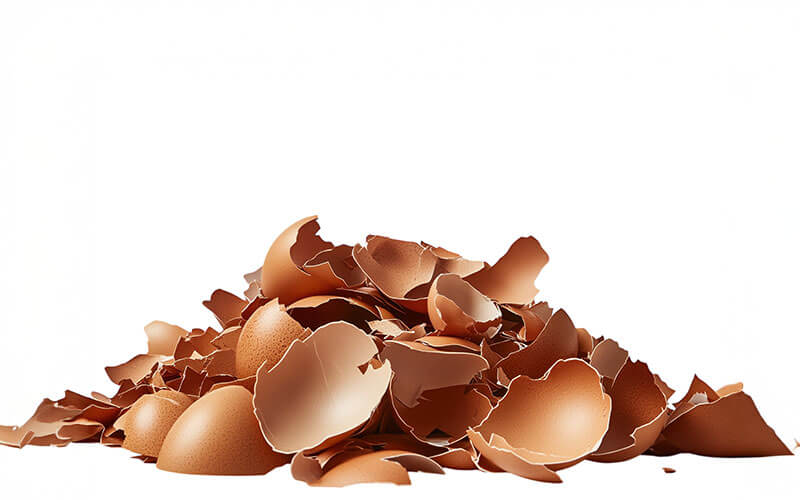
Egg Shells
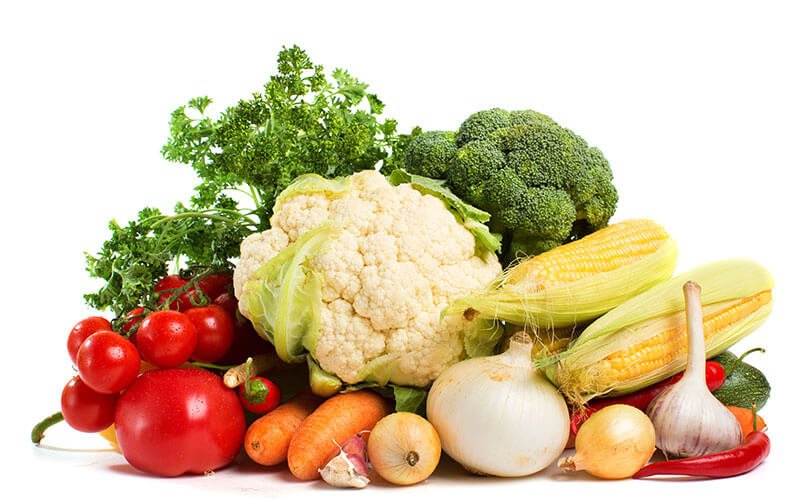
Vegetables (Pits Okay)

All Fruits

Meat, Seafood, and Bones
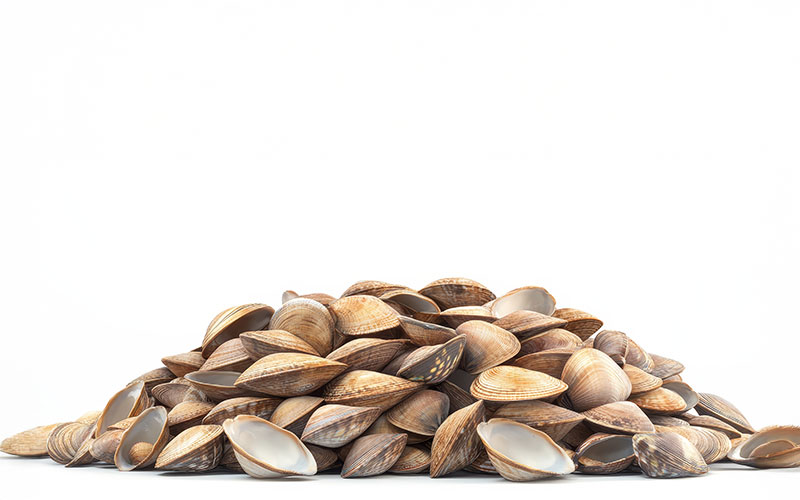
Muxcles and Clam Shells
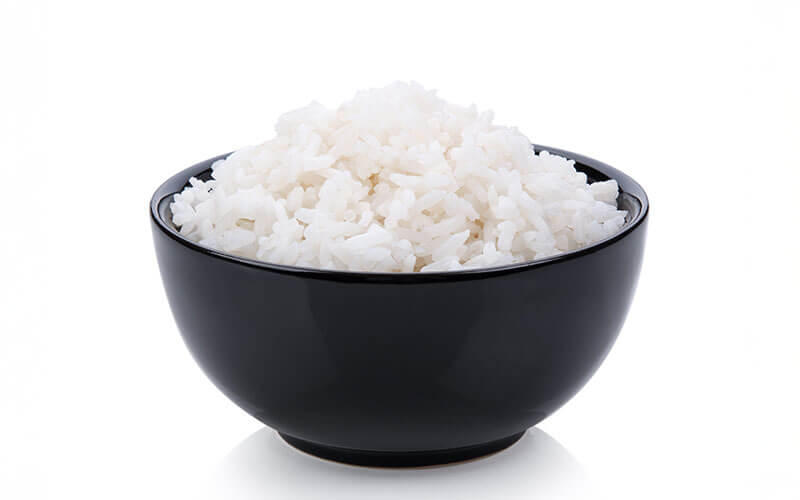
Rice
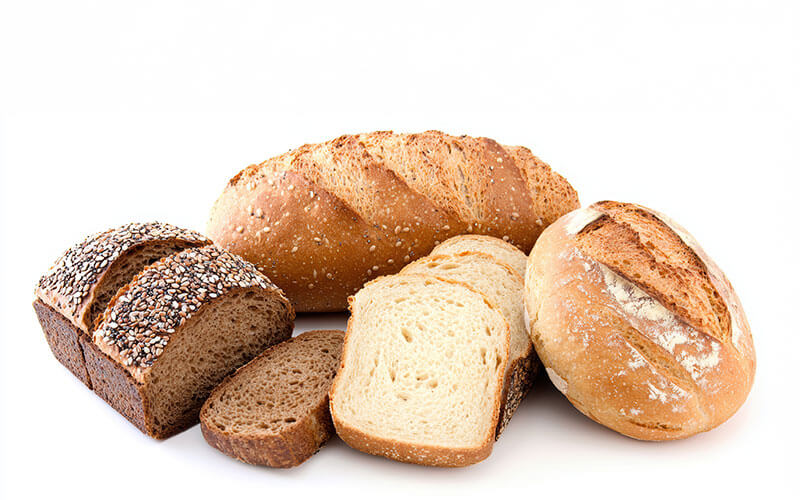
Bread
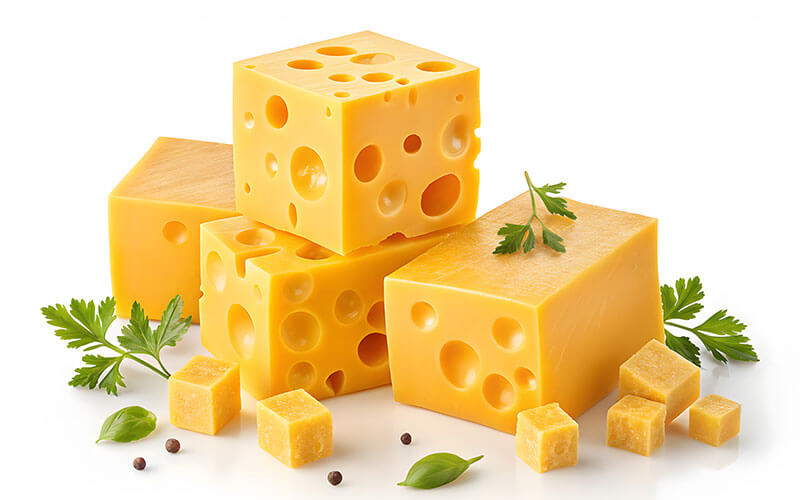
Dairy Products (NO Liquids)
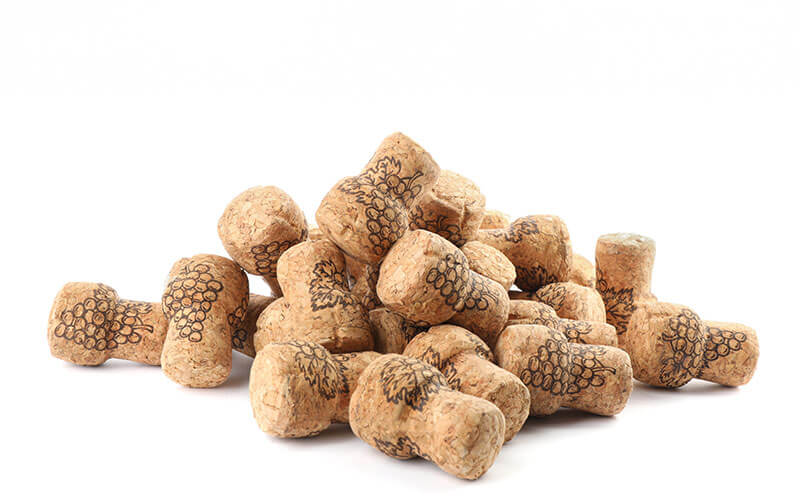
Natural Cork
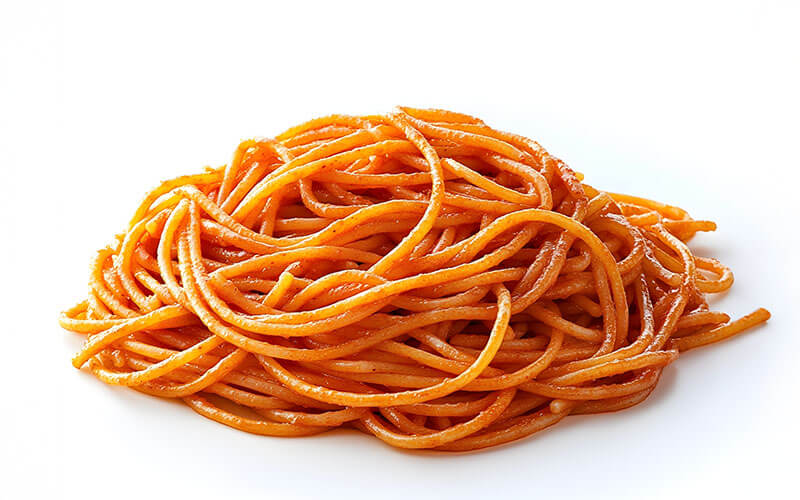
Pasta
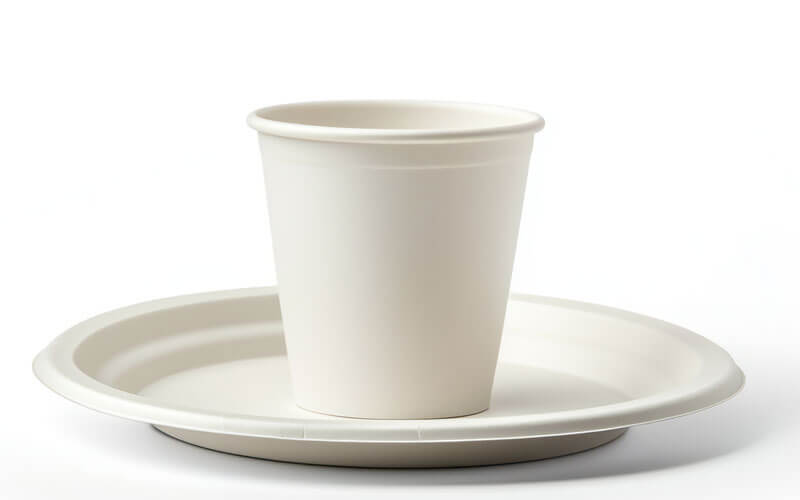
Paper Plates/Cups
(NO plastic lined)
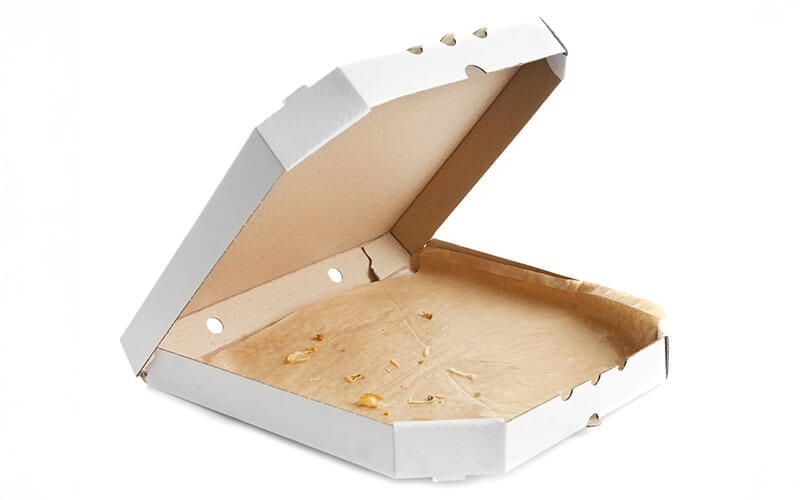
Greasy Pizza Boxes
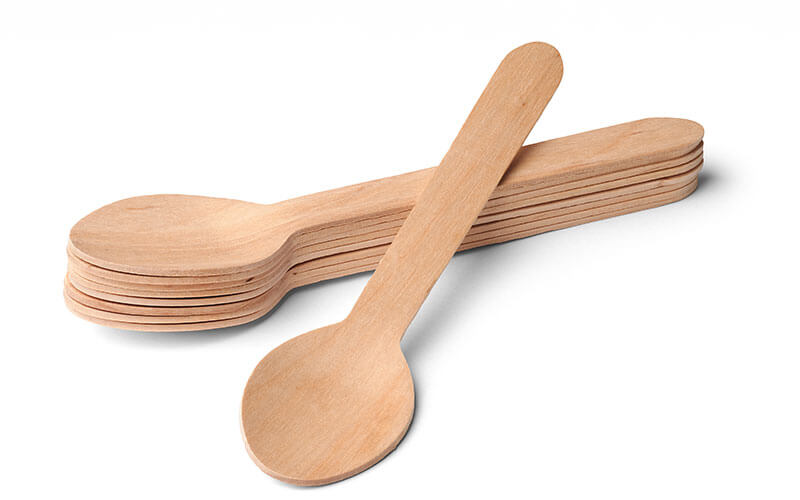
Wood Utensils
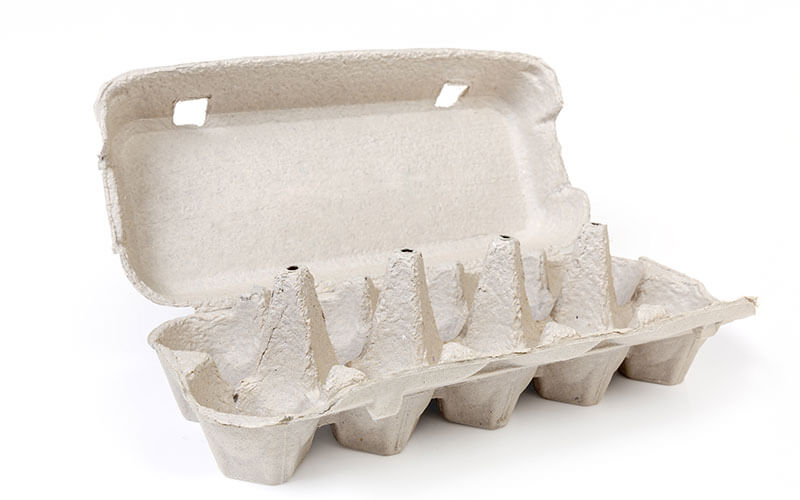
Paper Egg Cartons
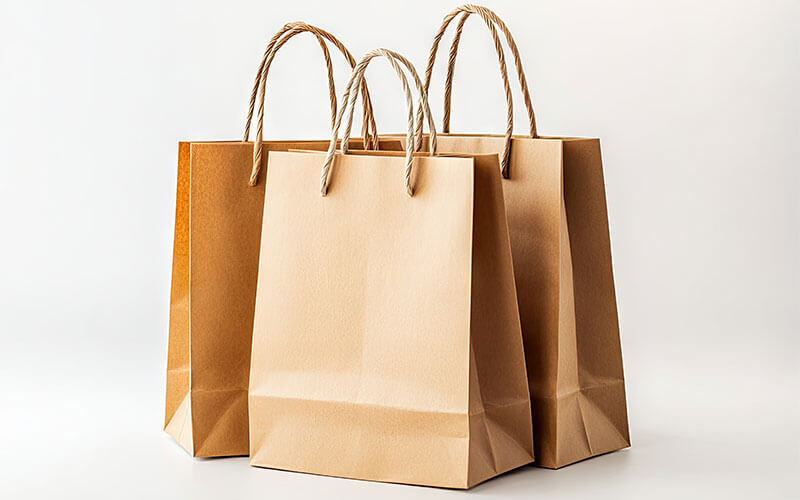
Greasy Paper Bags

Paper Takeout Containers
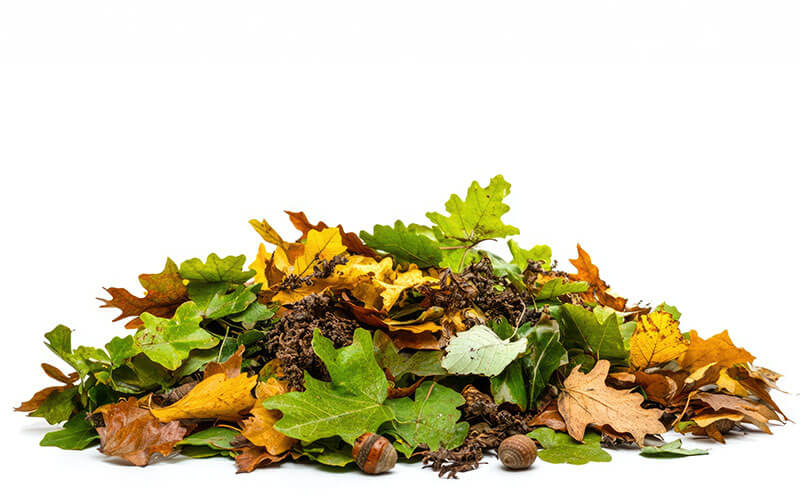
Leaves, Palm Fronts, Clippings
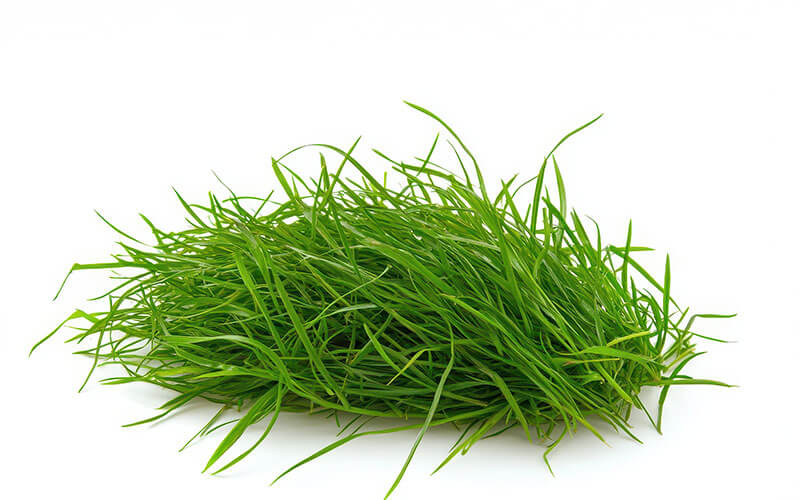
Grass & Weeds
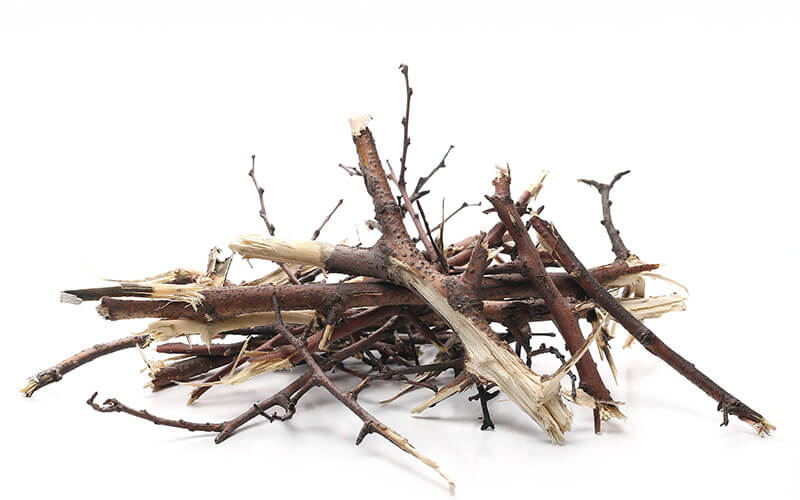
Branches & Plant Debris

Sawdust
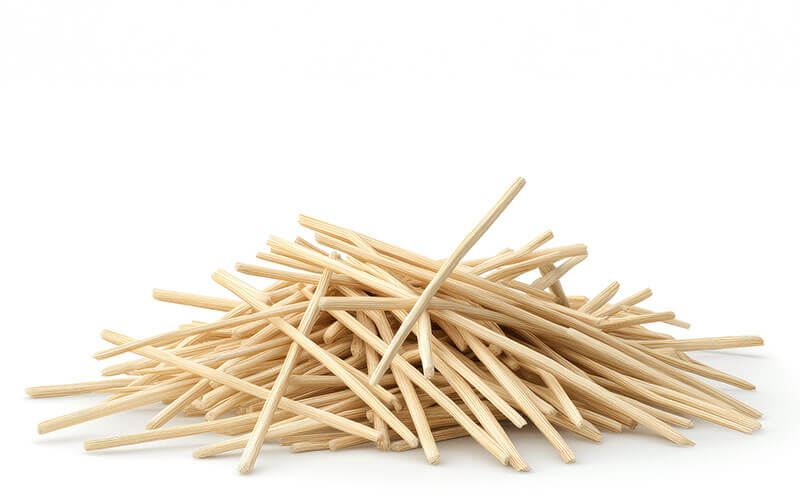
Chopsticks, Toothpics
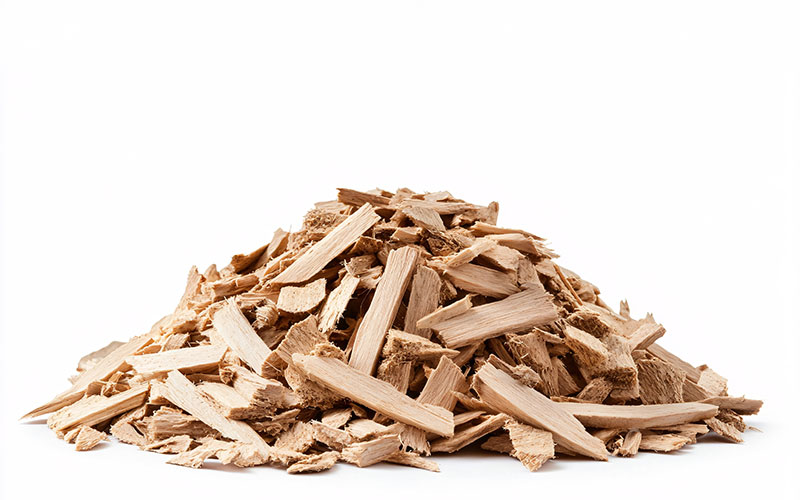
Untreated Wood Pieces
(Under 36″ Length)
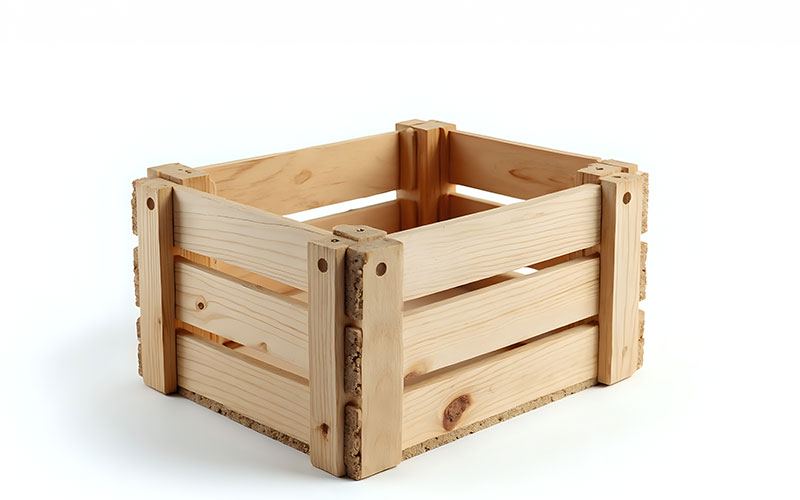
Wooden Crates
(Under 36″ Length)

Holiday Greenery
TIPS TO PREVENT ODORS AND INSECTS IN YOUR COMPOSTING AND YARD WASTE CART
Worried about smells or pests in your green cart? With a few easy tricks, you can keep your compost clean and odor-free!
What's NOT Allowed In the Compost Cart?
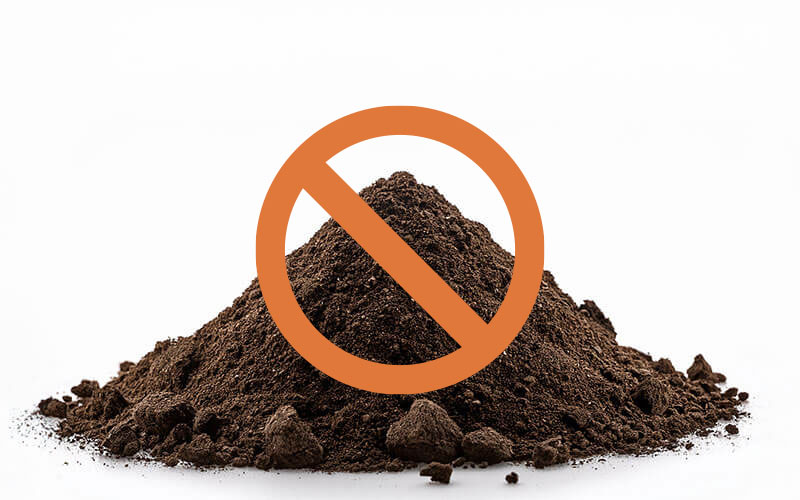
NO Dirt
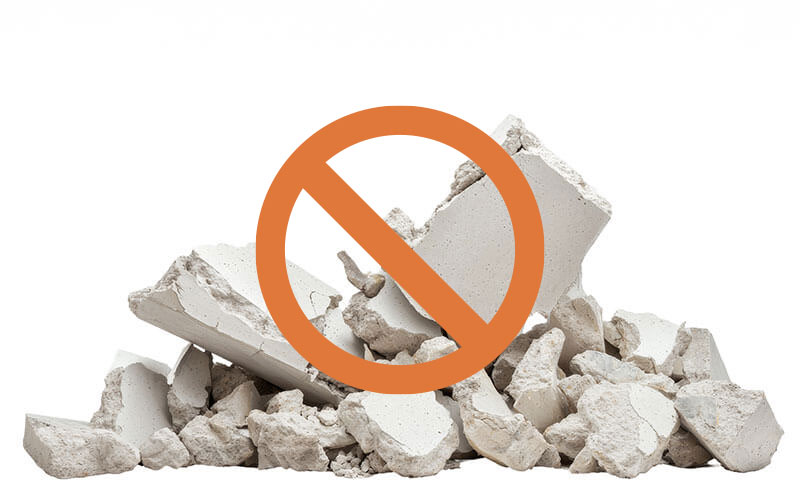
NO Comcrete/Cement
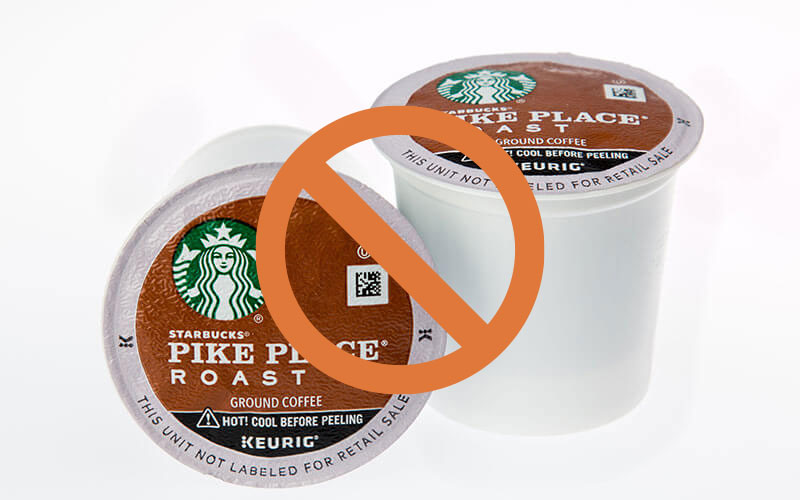
NO K-Cups
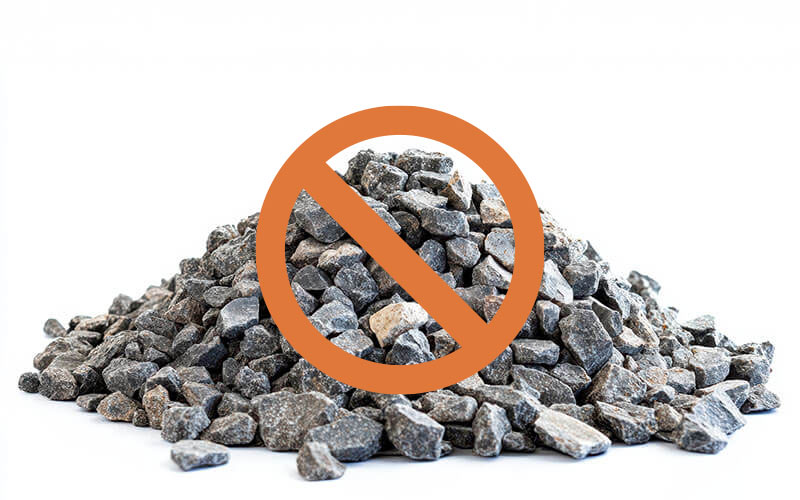
NO Rocks
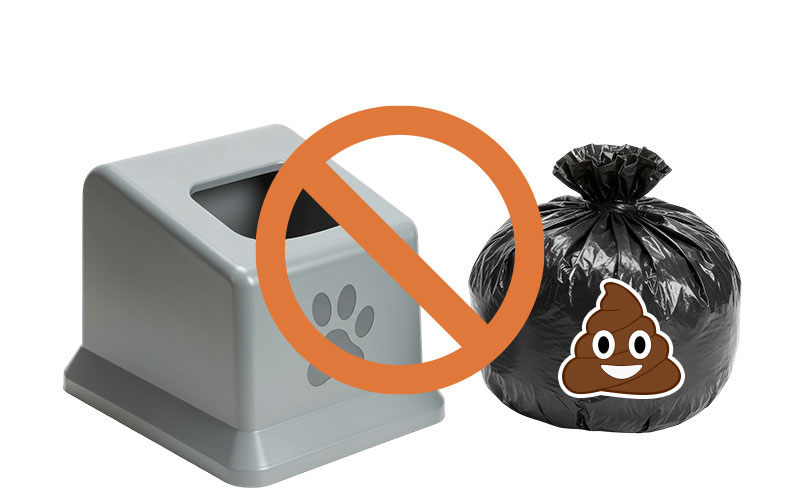
NO Pet Waste/Litter

NO Cans
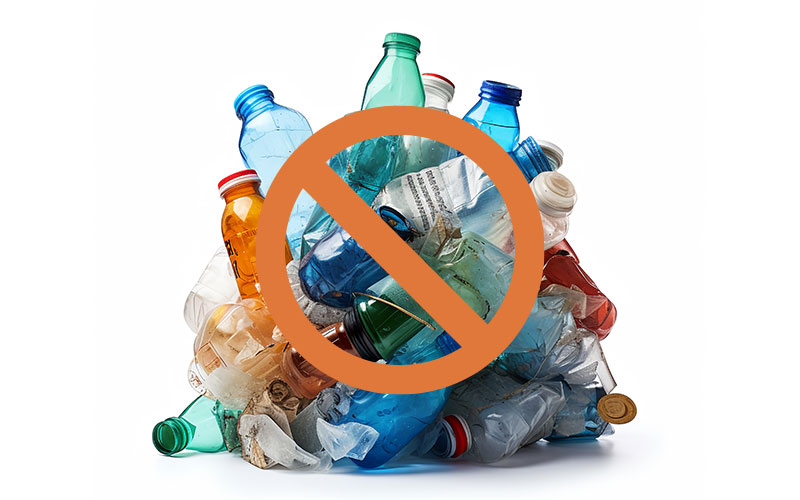
NO Recyclables
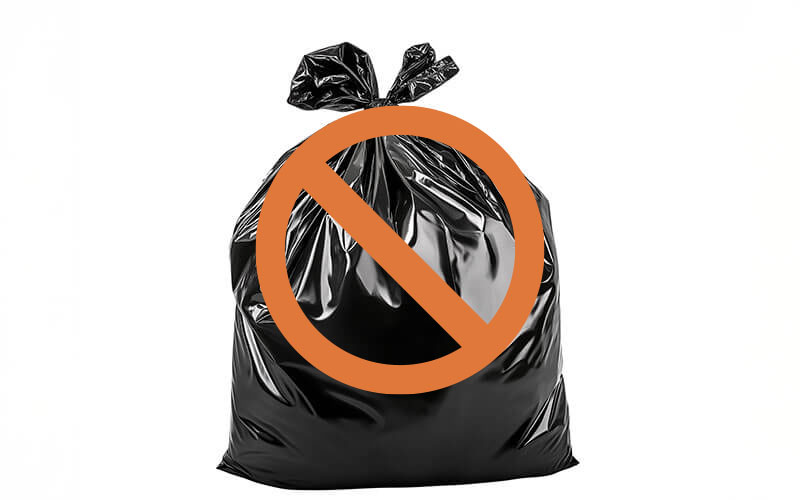
NO Plastic Bags
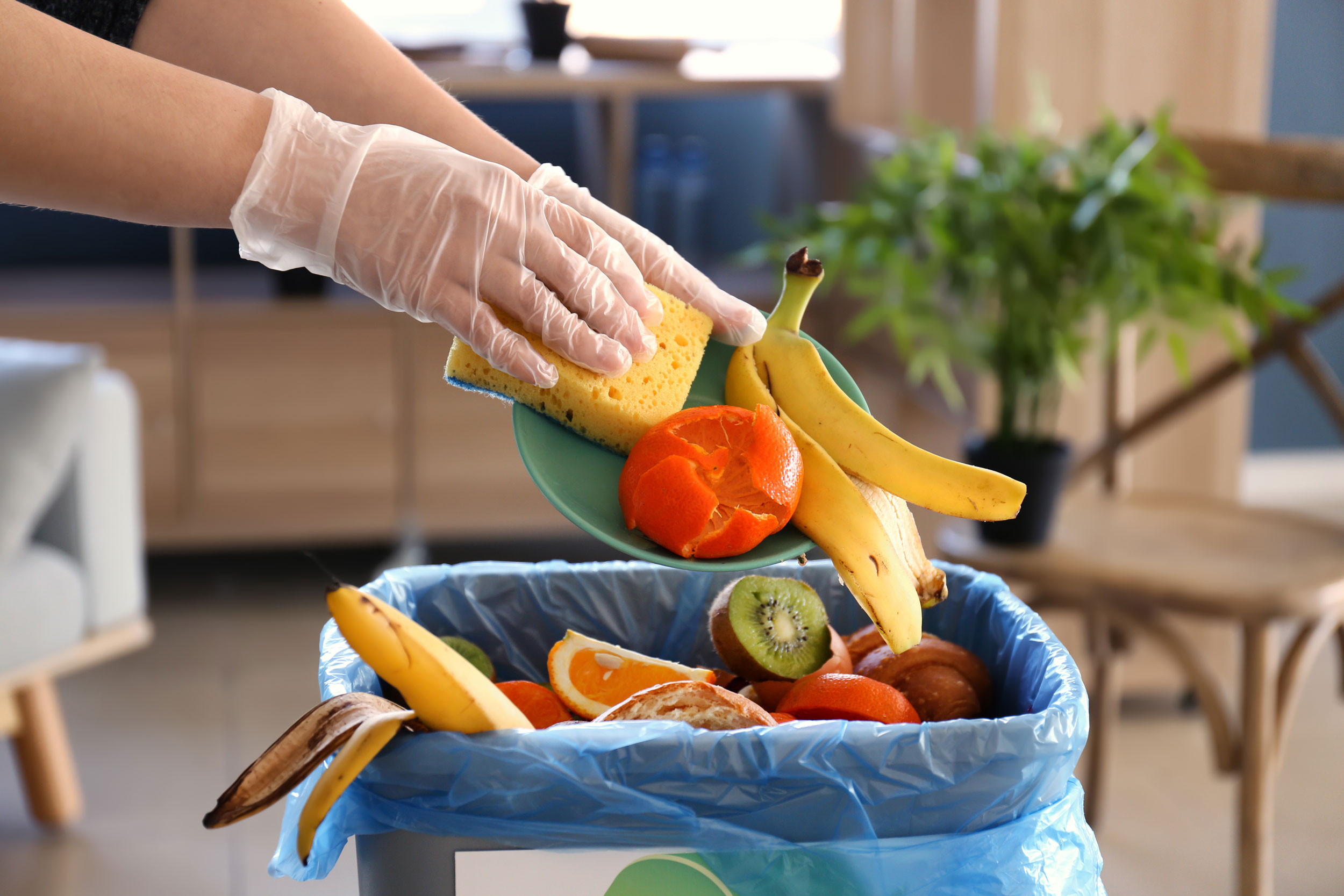
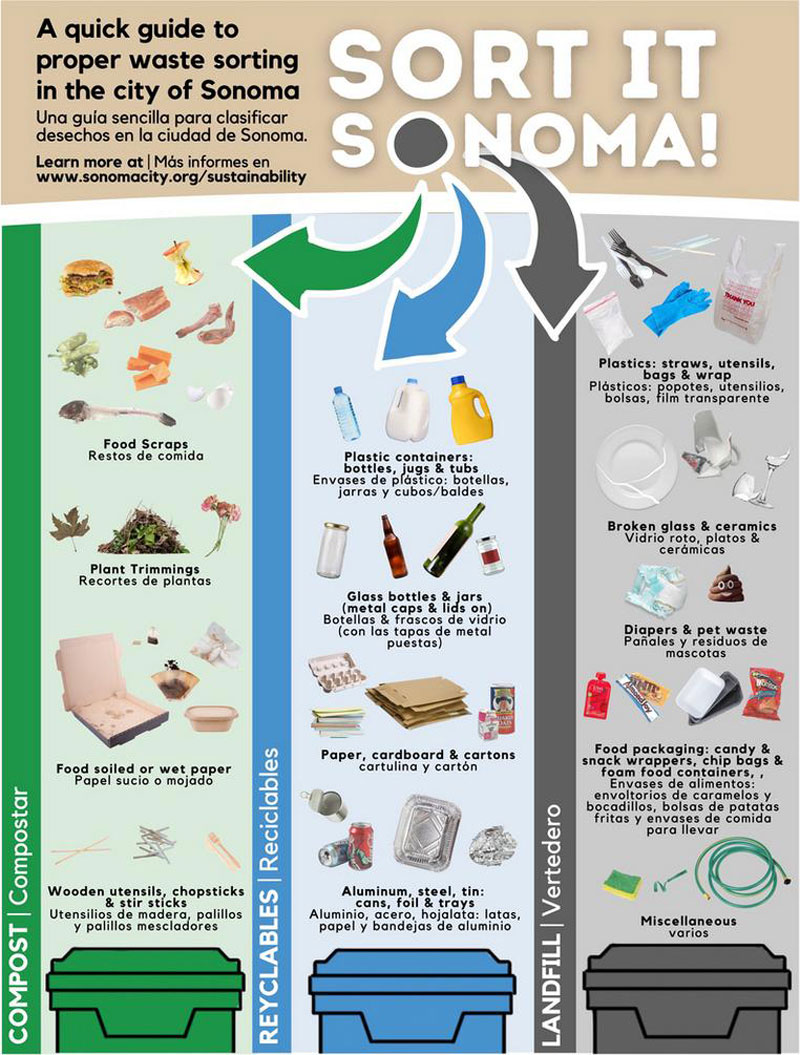
Understanding Composting vs. Recycling
Composting and recycling both play an important role in reducing waste, but they handle different types of materials. Composting is for food scraps and yard waste, which naturally break down into nutrient-rich soil. Recycling is for items like paper, cardboard, plastic bottles, glass, and metal cans that can be processed and turned into new products. Understanding the difference helps keep our waste streams clean and efficient, and supports a more sustainable Sonoma Valley.