Mandatory Commercial Compost Recycling

Mandatory Commercial Organics Recycling – AB 1826

California’s AB 1826 requires certain businesses to arrange for organic waste recycling services in order to reduce landfill waste and greenhouse gas emissions.

When did the law take effect?

  • January 1, 2019: Businesses generating 4 cubic yards or more of solid waste per week must arrange for organic waste recycling.
  • January 1, 2022: The requirement expanded to include businesses generating 2 cubic yards or more of solid waste per week.

If your business meets these thresholds, you are required by law to separate and properly dispose of organic materials such as food waste, landscape trimmings, and compostable paper.
Sonoma california food waste composting requirements sb1383

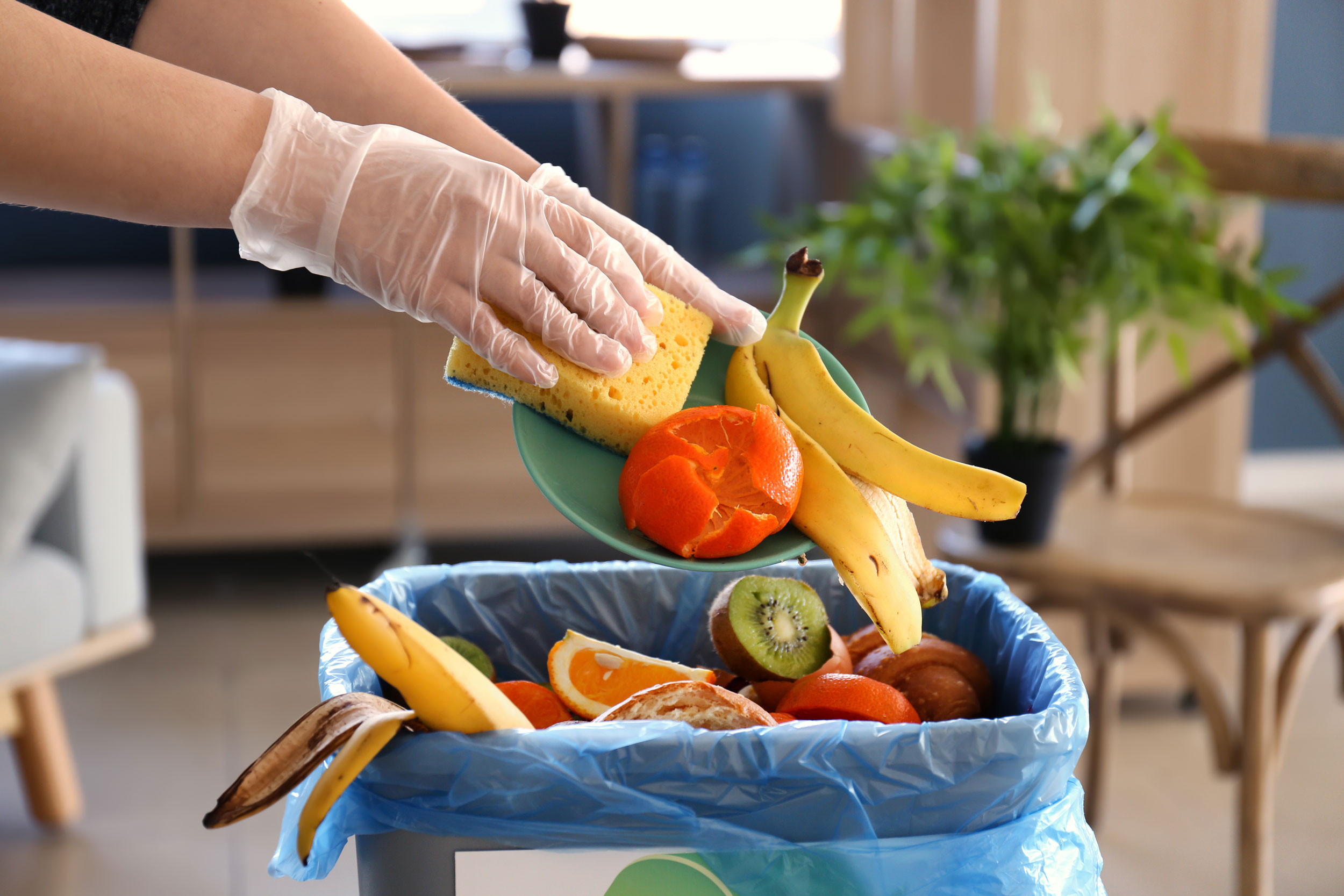
TIPS TO PREVENT ODORS AND INSECTS IN YOUR COMPOSTING AND YARD WASTE CART

Worried about smells or pests in your green cart? With a few easy tricks, you can keep your compost clean and odor-free!

LEARN MORE

Sonoma california food waste composting requirements sb1383

Understanding Composting vs. Recycling

Composting and recycling both play an important role in reducing waste, but they handle different types of materials. Composting is for food scraps and yard waste, which naturally break down into nutrient-rich soil. Recycling is for items like paper, cardboard, plastic bottles, glass, and metal cans that can be processed and turned into new products. Understanding the difference helps keep our waste streams clean and efficient, and supports a more sustainable Sonoma Valley.

COMMERCIAL RECYCLING REGULATIONS

What Is the Purpose of AB 1826?

California’s Mandatory Commercial Organics Recycling Law (AB 1826) is designed to reduce the amount of organic waste sent to landfills. The state disposes of about 30 million tons of waste annually, and over 30 percent of that is compostable or recyclable organic material.

Recycling organic waste through composting, mulching, or anaerobic digestion helps lower greenhouse gas emissions and can even generate renewable energy and fuel.

What Counts as Organic Waste?

Under AB 1826, organic waste includes:

  • Food waste
  • Green waste
  • Landscape and pruning waste
  • Nonhazardous wood waste
  • Food-soiled paper mixed with food waste

Who Needs to Comply?

The law applies to most commercial entities and public institutions, including:

  • Businesses, nonprofits, partnerships, corporations, and associations
  • Strip malls and multi-tenant commercial properties
  • Schools, school districts, colleges, and universities
  • Industrial facilities, special districts, and government agencies

Any business that generates a qualifying amount of waste is required to comply based on implementation dates.

What About Multifamily Properties?

  • Multifamily properties with 5 or more units must recycle green waste but are not required to recycle food waste or food-soiled paper
  • Properties with fewer than 5 units are currently not subject to AB 1826

Implementation Timeline

Date Required Action
April 1, 2016 Businesses generating 8 cubic yards of organic waste per week must comply
January 1, 2017 Threshold lowered to 4 cubic yards of organic waste per week
January 1, 2019 Applies to businesses generating 4 cubic yards of total solid waste per week
Fall 2021 If statewide disposal goals are not met, applies to those generating 2 cubic yards of solid waste per week

Areas Where the Law Does Not Apply

  • Multifamily dwellings with fewer than 5 units
  • Single-family homes, townhomes, and condominiums
  • Multifamily dwellings of 5 or more units are not required to arrange food waste recycling

How to Get Started

If your business meets the threshold, you must take one of the following steps:

  • Source-separate organic waste and participate in an approved recycling service
  • Self-haul or recycle organics on-site
  • Subscribe to a service that uses mixed waste processing and includes organic waste recycling

Business Support and Outreach

Free support is available to help your business comply, including:

  • On-site waste assessments
  • Sonoma County Recycling Guides (English & Spanish)
  • Educational posters and legal compliance materials
  • Outreach programs and training

Types of outreach offered:

  • Staff and custodial trainings
  • Community and multifamily complex events
  • Door-to-door outreach
  • Educational presentations for schools and children

Contact Us for Assistance:
Email: [email protected]
Call: (707) 565-2413 or (707) 565-3375